• Skip to primary navigation
  • Skip to main content
  • Skip to primary sidebar
  • Skip to footer
POD-NMD Logo

Pod NMD

  • Who We Are
    • Our Team & Governance
    • Partnerships & Collaborations
  • Resources by Condition
    • Becker Muscular Dystrophy (BMD)
    • Congenital Muscular Dystrophy (CMD)
    • Congenital Myasthenia Syndrome (CMS)
    • Congenital Myopathies (CM)
    • Duchenne Muscular Dystrophy (DMD)
    • General Neuromuscular Diseases (NMD)
    • Glycogen Storage (GSD)
    • Inherited Neuropathies
    • Limb Girdle Muscular Dystrophy (LGMD)
    • Myotonic Dystrophy (DM1)
    • Spinal Muscular Atrophy (SMA)
  • Assessment
    • Motor Performance
    • PROMS
    • Timed Tests
    • Additional Considerations
    • Assessing Babies and Young Children
    • Summary of Function Scales
  • Managing NMD
    • Staying Active & Stretches
    • Managing Other Symptoms
    • Multidisciplinary Care
    • Occupational Therapy
  • CPD Resources
  • Podcasts
    • Duchenne Muscular Dystrophy (DMD)
    • Inherited Neuropathies
    • Limb Girdle Muscular Dystrophy (LGMD)
    • Other
  • Search

Respiratory Management
/ Managing NMD / Respiratory Management

Respiratory Management

Breathing can be affected in muscle conditions because two muscles may be impacted by the neuromuscular disorder. These include the diaphragm and the muscles between the ribs – the intercostals.  These breathing muscles can become weaker over time and lead to a poor lung volume and a weaker cough.  We need a cough to clear secretions from the lungs. It is also true that breathing is impacted by spinal posture and scoliosis.

Respiratory issues in muscle conditions vary greatly between individuals and each condition and it is therefore important that individuals receive an assessment and care plan from professionals trained in respiratory care in NMD.

This care plan can include advice on keeping lungs healthy, as well as how to manage their breathing if they get a cold or an infection. Keeping healthy includes keeping up to date with immunizations, having a healthy varied and balanced diet, keeping active, sleeping well, and ensuring good hand hygiene to prevent the transmission of coughs and colds.

Respiratory assessment often takes place in specialist neuromuscular centres and involves simple tests such as forced vital capacity (FVC) and perhaps a peak cough flow (PCF) to measure cough strength.  If,  for any reason these are reduced, then a further referral may be made to a respiratory or home ventilation clinic for further assessment and management.

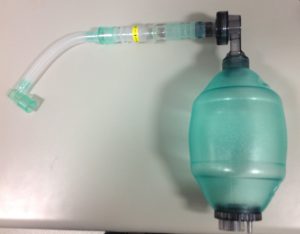
There are several ways in which we can assist in promoting good breathing and coughing using things such as incentive spirometry, using a lung volume recruitment bag and breath stacking to facilitate a good cough. Further referral to home ventilation teams can provide assisted cough machines as well as non-invasive ventilatory support.

  • Video: Breath Stacking How to Video
  • SMN on Respiratory Care in NMD PDF
  • Chest physiotherapy techniques used in NMD PDF
  • Cough augmentation Video:

Primary Sidebar

  • Staying Active & Stretches
    • Staying Active
    • Jaw Tightness (Trismus)
    • Scoliosis Management
    • Stretches
  • Managing Other Symptoms
    • Continence Care
    • Falls Management
    • Fatigue Management
    • Oedema Management
    • Pain Management
    • Respiratory Management
  • Multidisciplinary Care
    • Additional Multidisciplinary Management
    • Equipment Ideas
    • Orthopaedic Management
    • Orthotics
  • Occupational Therapy
    • Overview of Role
    • Home Adjustments
    • Mobile Arm Supports
    • Mobility Aids and Wheelchairs
    • Robotics
    • Support for Sitting
    • Advice on clothing
  • Patient Leaflets
    • For women

Footer

POD-NMD Logo

Links

Home
Who we are
Resources by condition
Assessment
Managing NMD
CPD Resources
Podcasts

Resources

POD-NMD LMS Login

Contact

Email: podnmd@treat-nmd.org

POD-NMD Privacy Policy POD-NMD LMS Privacy Policy Sitemap © POD-NMD 2026
  • Who We Are
    • Our Team & Governance
    • Partnerships & Collaborations
  • Resources by Condition
    • Becker Muscular Dystrophy (BMD)
      • Intro to BMD
    • Congenital Muscular Dystrophy (CMD)
      • Intro to CMD
      • Key Management: CMD
      • Key Assessment Guide: CMD
    • Congenital Myasthenia Syndrome (CMS)
      • Intro to CMS
      • Key Management: CMS
      • Key Assessment Guide: CMS
    • Congenital Myopathies (CM)
      • Intro to CM
      • Key Management: CM
      • Key Assessment Guide: CM
    • Duchenne Muscular Dystrophy (DMD)
      • Intro to DMD
      • Key Management: DMD
      • Key Assessment Guide: DMD
    • General Neuromuscular Diseases (NMD)
      • Intro to NMD
      • Key Management: NMD
      • Key Assessment Guide: NMD
    • Glycogen Storage (GSD)
      • Intro to GSD
      • Key Management: GSD
      • Key Assessment Guide: GSD
    • Inherited Neuropathies
      • Intro to Inherited Neuropathies
      • Key Management: Inherited Neuropathies
      • Key Assessment Guide: Inherited Neuropathies
    • Limb Girdle Muscular Dystrophy (LGMD)
      • Intro to LGMD
      • Key Management: LGMD
      • Key Assessment Guide: LGMD
    • Myotonic Dystrophy (DM1)
      • Intro to DM1
      • Key Management of DM1
      • Key Assessment Guide: DM1
    • Spinal Muscular Atrophy (SMA)
      • Intro to SMA
      • Key Management: SMA
      • Key Assessment Guide: SMA
  • Assessment
    • Motor Performance
      • NSAA
      • PUL 2.0
      • EK2
      • NSAD
      • RHS
      • HFMSE
      • RULM
      • ATEND
      • CHOP-INTEND
      • MFM
      • GMFM
      • TANS
      • CMS Specific Assessments
      • QMFT
      • GSGC
    • PROMS
      • ACTIVLIM
      • Egen Klassifikation
      • PROM-Upper
      • Myasthenia Gravis
      • Pompe R-PAct
      • Sleepiness
      • Satisfaction with Orthotic Provision
      • QOLgNMD
      • DMD-QoL
    • Timed Tests
      • Timed 10 Metre Walk/Run
      • Timed Rise From Floor
      • 6 Minute Walk Test
      • Timed Up & Go
      • 100 Metre Walk/Run Test
    • Additional Considerations
      • Respiratory Function
      • Pain
      • Posture & Spine
      • Strength
      • Quality of Life
      • Activity and Fatigue
      • Range of Motion
    • Assessing Babies and Young Children
      • Normal/Abnormal Development
      • Developmental Milestones
      • HINE
      • AIMS
      • BSID
      • CHOP-INTEND for Infants
    • Summary of Function Scales
      • Brooke Upper Extremity Grade
      • Vignos Lower Extremity Grade
      • DMDSAT
      • SOFT
  • Managing NMD
    • Staying Active & Stretches
      • Staying Active
      • Stretches
      • Jaw Tightness (Trismus)
      • Scoliosis Management
    • Managing Other Symptoms
      • Falls Management
      • Fatigue Management
      • Pain Management
      • Respiratory Management
      • Continence Care
      • Oedema Management
    • Multidisciplinary Care
      • Orthopaedic Management
      • Additional Multidisciplinary Management
      • Orthotics
      • Equipment Ideas
    • Occupational Therapy
      • Overview of Role
      • Home Adjustments
      • Mobility Aids and Wheelchairs
      • Support for Sitting
      • Mobile Arm Supports
      • Robotics
  • CPD Resources
  • Podcasts
    • Duchenne Muscular Dystrophy (DMD)
    • Inherited Neuropathies
    • Limb Girdle Muscular Dystrophy (LGMD)
    • Other
  • Search