Orthotics
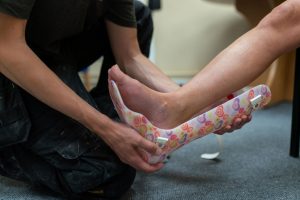
Orthotics can play a key role in management of neuromuscular conditions however there are a many types and indications for their use. Both static and dynamic devices can be useful and require careful assessment and ongoing review. Please work closely with your orthotic provider. Experience has made it clear that custom-made devices are better tolerated and produce better results in the long term and are therefore more cost effective.
Orthotics can provide a stable base of support to movement. They can help establish an efficient gait, they can reduce the excessive use of energy to move, they can reduce hip and knee hyperextension, they can increase functional ability and help strengthen muscles. They can control muscle imbalances, correct poor posture, and reduce the progression of deformity and all these things can help prevent deformity and pain.
A useful list of suitable orthotics and splints most frequently used in neuromuscular orthotics can be found in the guidance for paediatric physiotherapists managing neuromuscular disorders 2022 published by the APCP. This includes a list of lower and upper limb orthoses and indications for treatment and notes on precautions.