
Stretches
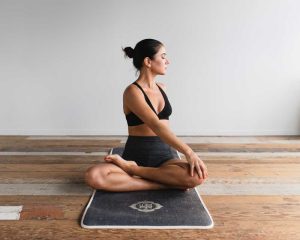
Contracture is a term used to describe the abnormal shortening of muscles, skin or connective tissue which leads to a restriction in active and passive range of motion. Contractures are particularly prevalent in some neuromuscular disorders, often becoming more significant as children grow. In adults with neuromuscular conditions, contractures tend to remain more stable and do not progress in the same way as they do during periods of growth in children and teenagers. Whilst the causes of contractures vary depending on the neuromuscular disease, joint contractures can result in significant complications including joint deformity, pain, reduced function, and mobility, and therefore can impact on activities of daily living and quality of life. It makes perfect sense to manage these contractures, at least so they don’t progress, and possibly to improve them.
Benefits of stretches include:
- Improves circulation.
- Improves muscle recovery and efficiency.
- Improves pain.
- Relaxes tight muscles.
- Improves muscle asymmetry.
- Improves flexibility.
- Helps prevent injury.
- Improves stamina and energy levels.
- Improves body awareness.
- Improves posture.
Several sites have a guide to performing stretches in NMD particularly in DMD.
The Scottish Muscle Network also have some useful downloadable information sheets including a guide to stretching:
- Specific guide to ankle management in DMD. Available here: SMN_Ankle-Management-in-Duchenne-Muscular-Dystrophy-A5-Booklet_S
- Specific guide to stretches and postural management in adults living with DMD. SMN_Adult-DMD-Physio-Stretching
- There is also a video guide. Which can be found here: https://www.nn.nhs.scot/smn/patients-and-families/podcast-and-videos/stretching-videos/
Resources
Stretches in DMD – Video Examples which may be useful in other neuromuscular conditions
Watch the videos linked below for some commonly recommended stretches. These were made by PTC Therapeutics and filmed at Leeds Children’s Hospital.