
Staying Active
General advice includes encouraging aerobic and strength training and avoiding eccentric exercise as in most NMD the muscle membrane is unstable. This is commonly illustrated by ensuring boys with DMD do not participate in excessive and regular trampolining. It is best avoided.
For aerobic exercise the UK government have published guidelines suggesting that disabled adults and children should aim for 150 minutes of moderate intensity aerobic exercise per week. See links below.
Activity should be fun and could involve more formal exercise classes or may be achieved through daily activities such as gardening, housework or play.
Ambulant individuals can participate in many regular activities / exercise classes but should keep load activities to a moderate level.
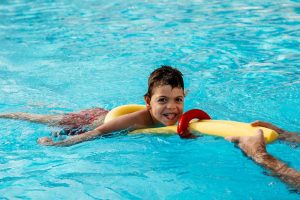
Activities that incorporate stretch can be very beneficial such as Pilates or yoga. Swimming also promotes respiratory function and strength as well as proving a low impact opportunity to exercise.
For those in wheelchairs, activity depends on where they still have sufficient strength. Wheelchair sports are beneficial and can be very physical. They include wheelchair football or basketball. An alternative which requires less physical strength is Boccia. Legs and arms can be exercised using a cycle ergometer which has been shown to have a positive effect in boys with DMD and although not fully evaluated in other NMD it is not contra-indicated.
If arm function is preserved, then electrical motion wheels may be an option to help maintain activity rather than employ a fully electric wheelchair immediately.
For those in electric wheelchairs, driving across uneven surfaces can promote trunk activity and therefore be a form of exercise.
Not everyone enjoys exercise but are happy to be active. Activities such as gardening, cleaning, washing up and dancing are all forms of exercise. The key is finding something that is enjoyed and by finding a buddy to be active with, motivation can be improved.
Useful Resources:
- Physical activity for general health benefits in disabled adults
- New guidelines to support disabled children to be more active
- SMN Guide to stretches and activity leaflet
- Wheelchair football
- Boccia
- Inclusive Gyms
- Wheelchair yoga – live classes and more
Resources
Pilates for people with Neuromuscular conditions
These Pilates exercises are designed for people with Neuromuscular conditions. Please contact your physiotherapist if you have any questions.
Different videos guide you in different starting positions. Standing, sitting, prone and lying on your back.
Seated physio session online lecture by Marina Di Marco. Part of MDUK Muscles Matter 2020 online seminar series.
Get Yourself Active transforms attitudes and perceptions of disability and physical activity by informing, empowering and supporting Disabled people and other key stakeholders.
Every Body Moves, powered by Toyota, is the new way to discover inclusive local opportunities to become more active. Their ambition is to create the UK’s biggest fun and vibrant community for players, parents and coaches to share their experiences of Every Body Moves, and find useful hints, tips and information on what’s happening near you. This includes in depth listings and all the information you need to connect to local inclusive opportunities.